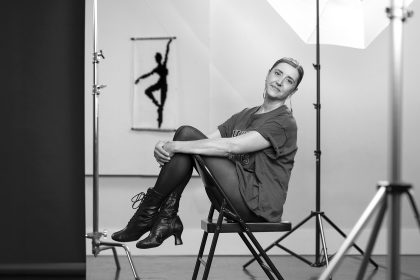
Quiet months can be one of the best times to step back, look at what your marketing is missing, and create photography that keeps working long after business picks back up.
Every business has slower stretches.
Maybe it’s seasonal. Maybe your clients disappear on vacation. Maybe you’ve just wrapped a major project and there’s finally a little breathing room before the next one begins.
When things get quiet, the instinct can be to pull back on marketing too.
But a slower season can actually be one of the best times to work on your business instead of constantly working in it.
And when it comes to photography, that doesn’t necessarily mean scheduling a shoot just because you have time. It means taking a good look at the visual content you already have, figuring out what’s missing, and creating images that will still be useful six months, a year, or even several years from now.
Here are some of the most valuable places to start.
Show People What Happens Behind the Scenes
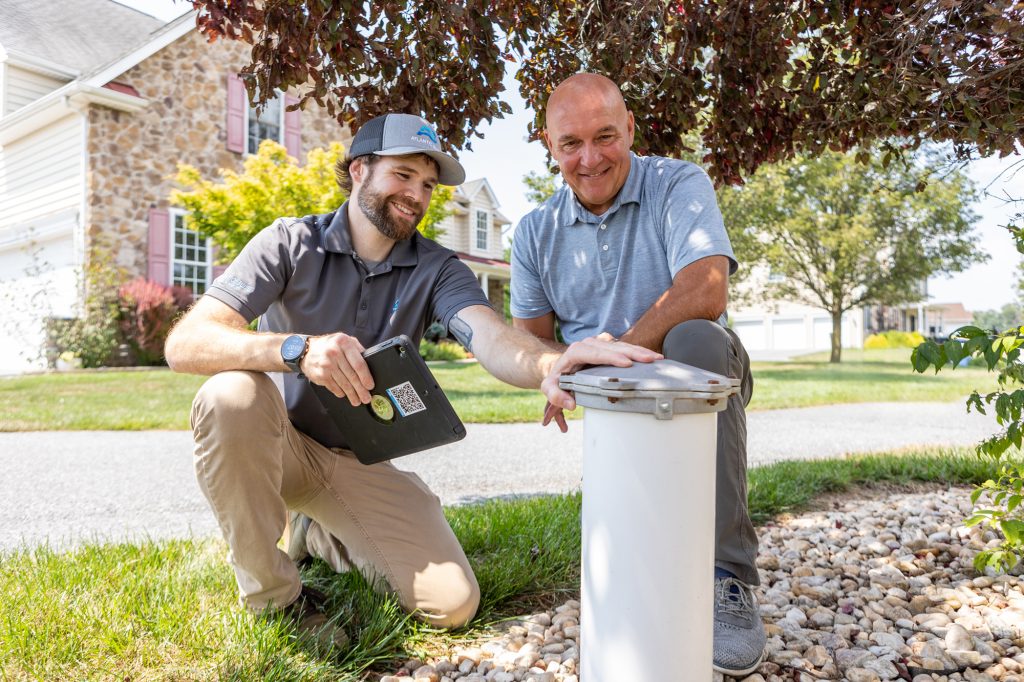
Some of the most useful brand photographs aren’t the big, polished hero images. They’re the photographs that help people understand what it actually feels like to work with you.
Your team doing what they do. Tools and equipment in use. A planning meeting. Someone packaging an order. A technician concentrating on a task. The little moments that happen every day but rarely make it onto your website.
These photographs build familiarity and trust because they give potential clients a peek behind the curtain.
And they’re incredibly versatile. One strong collection of behind-the-scenes images can support social media, blog posts, email marketing, recruiting, service pages, presentations, and more.

Photograph Your Process, Not Just the Finished Product
Businesses often remember to photograph the end result.
The finished renovation. The beautiful product. The completed installation. The smiling client.
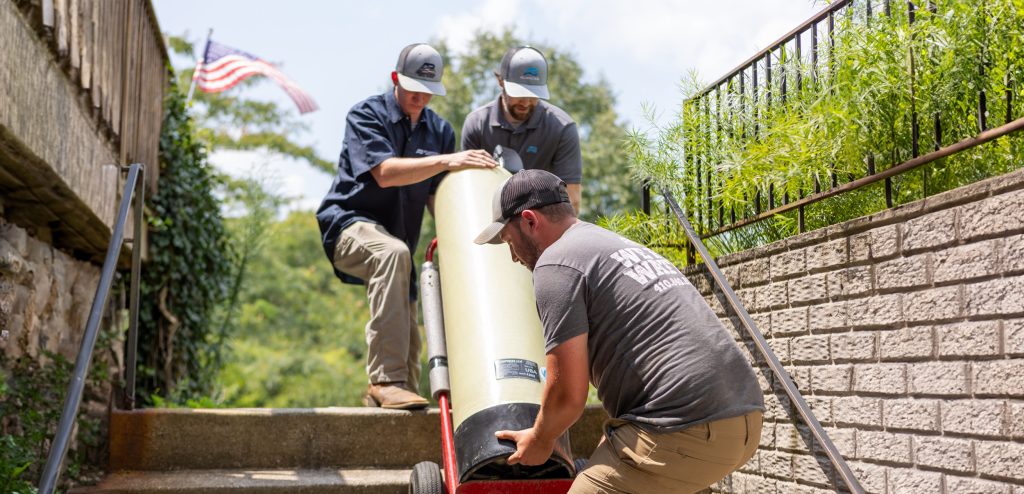
But the process that got you there may be just as valuable.
If expertise, craftsmanship, precision, care, or customer service are important parts of your brand, show them.
Photograph the consultation. The measurements. The equipment. The hands doing the work. The decisions being made. The details that demonstrate why hiring your company is different from hiring someone else.
These images help potential clients understand what they’re paying for before they ever pick up the phone.


Give Your Workspace Some Attention
When was the last time you looked at the photographs of your office, studio, storefront, shop, warehouse, or facility?
For many companies, the answer is somewhere between “a long time ago” and “we don’t have any.”
Your physical environment tells part of your story.
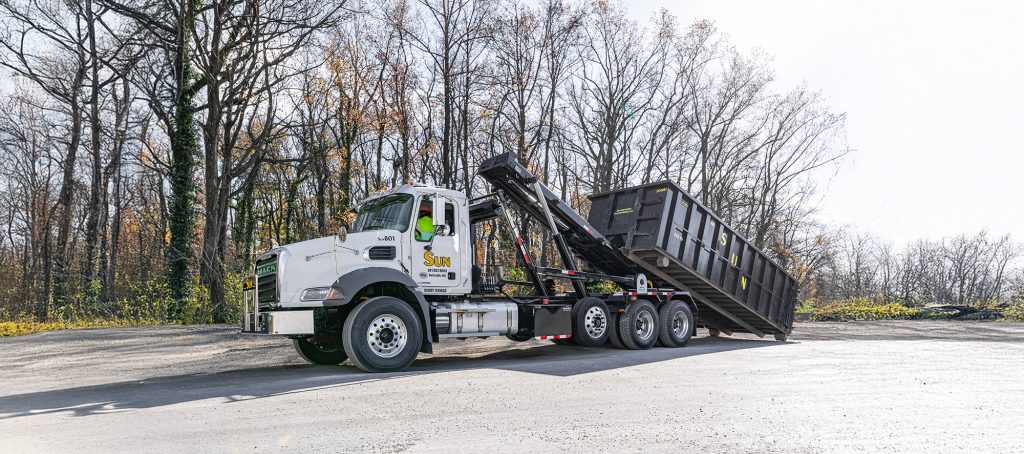
That might include your exterior and signage, employees working at their stations, equipment in use, a welcoming reception area, shelves of materials, or the places where your team collaborates.
You don’t need a glamorous office. You need photographs that feel accurate, intentional, and representative of the company you want people to trust.



Build a Library of the Little Things
Not every photograph needs to be the star of the show.
In fact, businesses need a surprising number of supporting images.
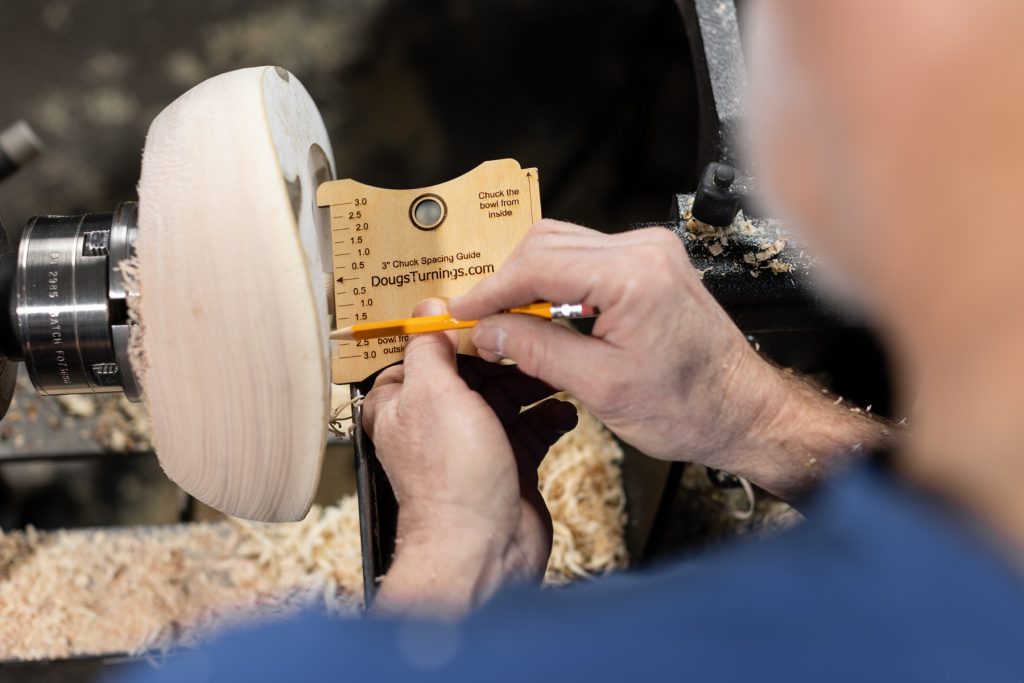
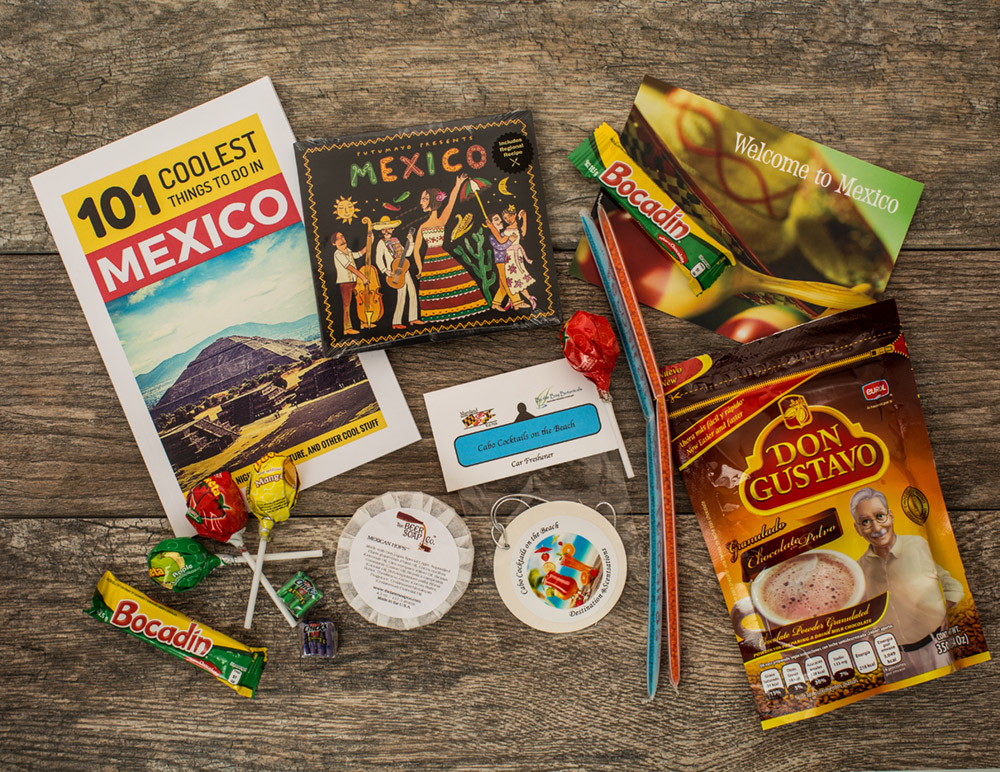
Hands typing on a keyboard. A close-up of a tool. Branded materials on a desk. Product details. Textures. Packaging. Equipment. Architectural details. Someone taking notes during a meeting.
I often think of these as the connective tissue of a good photo library.
They’re perfect when you need an image for an email header, a website section, a blog post, a presentation slide, an advertisement, or a social post and your big hero photographs don’t quite fit.
A thoughtful collection of details gives you options.



Update the People Behind the Business
If business is quieter, it may also be easier to get everyone in the same place.
Take advantage of it.
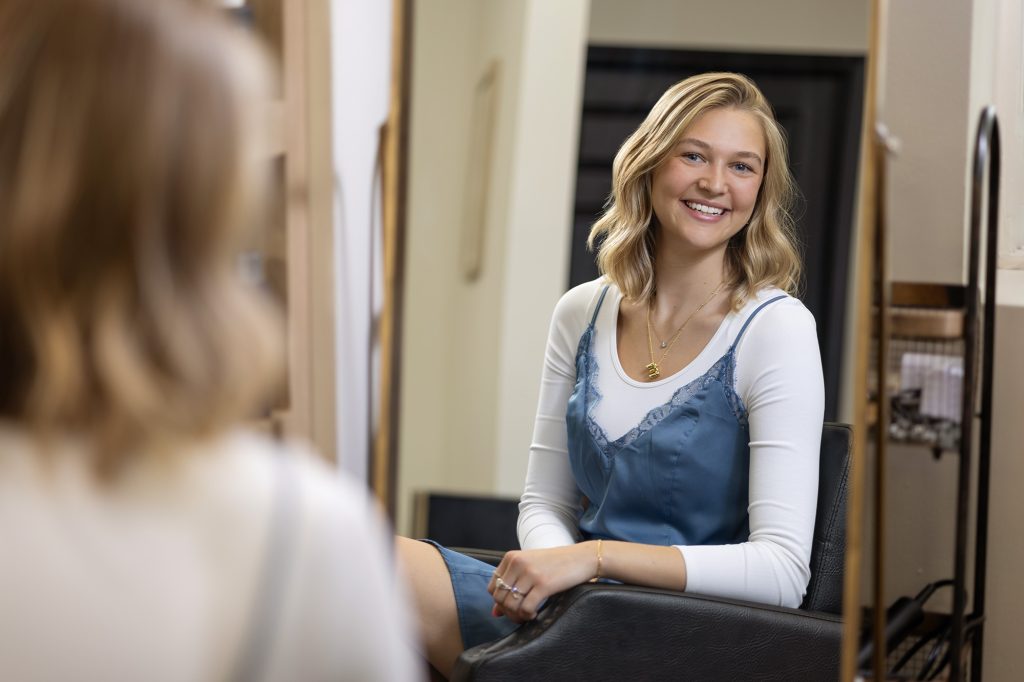
Update employee headshots. Photograph leadership. Create a current team photo. Capture coworkers interacting naturally instead of only photographing everyone individually against the same backdrop.
People want to know who they’re doing business with.
Strong employee photography can support your About page and staff directory, but it can also improve recruiting materials, press opportunities, speaking engagements, LinkedIn profiles, proposals, and company announcements.
And if your current team page includes three former employees, two photographs from 2017, and one person cropped out of a group photo… this one probably belongs near the top of your list.





Create Better Visuals for Testimonials and Case Studies
Testimonials are wonderful.
Testimonials paired with photographs are even stronger.
If you have a great client success story, think about the visuals that could help tell it. That might be a portrait of the client, photographs of the finished project, images of your team doing the work, or a before-and-after comparison.
Slow periods are also a good time to go back through completed projects and identify the stories worth telling.
You may already have the quote. You may already have some of the photographs. You might simply need to pull the pieces together.



Create Your Own Stock Photography
I don’t mean photographing a generic coffee mug next to a laptop because that’s what “branding photography” is supposed to look like.
I mean building a library of useful supporting photographs that are actually yours.
Your hands. Your tools. Your products. Your colors. Your office. Your paperwork. Your packaging. Your people.
When those images appear throughout your website, social media, presentations, newsletters, and marketing materials, everything starts to feel more cohesive.
And unlike generic stock photography, nobody else has the exact same image sitting on their website.


Photograph Seasonal Content Before You Need It
One of the easiest ways to make marketing stressful is to realize on December 15 that you need holiday imagery.
Use quieter periods to look ahead.
What campaigns are coming? What holidays actually matter to your business? Are there annual events, seasonal services, promotions, recruiting pushes, product launches, or busy periods you already know are coming?
Photography doesn’t have to be created the week you plan to publish it.
Building those assets ahead of time gives your marketing team room to actually use them well.



Take a Hard Look at Your Website
Open your website and pretend you’ve never seen your company before.
Do the photographs still represent you?
Look for outdated employees, old branding, services you no longer emphasize, inconsistent editing, generic stock photography, low-resolution images, old facilities, outdated equipment, or photographs that simply don’t match the caliber of your business anymore.
Your company may have grown substantially while your website photography stayed frozen in time.
A slower season is a great opportunity to identify those gaps and decide what actually needs replacing.


Before You Schedule Another Shoot, Make a Plan
This may be the most important part.
Don’t create photographs simply because someone said you need fresh content.
Start with what the business actually needs.
Look through your existing image library. Look at your website. Look at your social media, advertising, proposals, recruiting materials, email marketing, and upcoming campaigns.
Where are you constantly searching for an image you don’t have?
Where are you reusing the same photograph over and over?
What are you trying to sell next year?
What parts of the business aren’t represented visually at all?
Those answers should shape your next photography session.
That’s also a big part of the photography strategy work I do with clients. Sometimes the most valuable thing I can do isn’t immediately pick up my camera. It’s help a company figure out what we should photograph, why we need it, and where those images are going to be used.


Make the Quiet Time Work for You
A slow month doesn’t mean your marketing has to go quiet too.
Use the breathing room to audit what you already have, identify what’s missing, and build a stronger visual library before things get busy again.
The goal isn’t to create more photographs just for the sake of having more photographs.
It’s to create the right photographs — images that answer questions, build trust, support your sales process, tell your story, and give your business something useful to work with all year long.